 Alex Carter
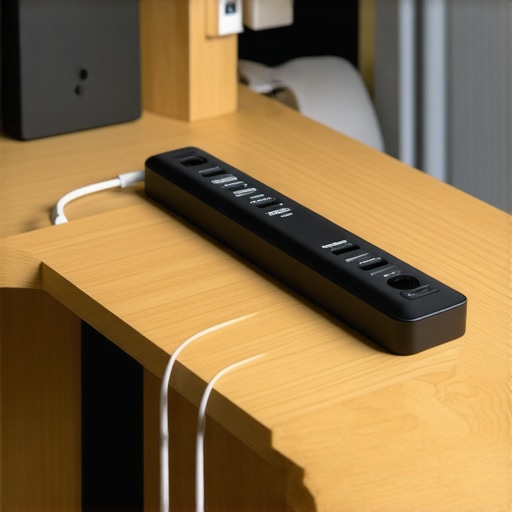
I remember the exact moment it hit me—my workspace was unraveling right before my eyes. Cables snaking across the desk, power strips peeking out like unwanted guests, and a constant feeling of chaos that sapped my focus. It was the kind of mess that made me dread my own setup, especially during those late-night work sessions when even a tiny distraction felt monumental. That lightbulb moment motivated me to rethink how I handled my desk clutter, especially the secret culprit—my power strip.
Why Your Power Strip is Sabotaging Your Productivity
Many home office enthusiasts underestimate the visual and physical clutter that a tangled power strip can create. Not only does it look messy, but it also hampers your workflow and can even cause safety hazards. Studies, such as one published in the Journal of Occupational & Environmental Medicine, indicate that a cluttered workspace can negatively impact your concentration and increase stress levels. The good news? There are smart, inexpensive ways to hide that power strip and reclaim your desk’s sleekness.
Is It Really Worth Overhauling Your Setup for This?
I used to think a cable tidy was enough—until a frayed cord caused a short circuit, leading to a costly and frustrating repair. That taught me a vital lesson about the importance of organized wiring. Early on, I made the mistake of just hiding cables behind the desk without securing the power strip properly, which only worsened the mess and risked damage. So, if you’re skeptical whether hiding your power strip is worth the effort, trust me, it’s a game-changer in preventing accidents and simplifying maintenance.
Now, let’s dive into some clever solutions that will turn your chaos into clarity—tools and hacks I’ve personally tested to create a cleaner, safer, and more efficient workspace.
Pick the Right Power Strip Placement
Start by choosing a central, easily hidden spot behind your desk or within a drawer. When I redesigned my setup, I used a small vertical desk divider to conceal the power strip effectively. This keeps cables from sprawling across your workspace and creates a cleaner look.
Use Cable Management Tools Wisely
Secure your cables with under-desk clips or magnetic cable rails to route wires neatly along the desk underside. When I added magnetic clips, I reduced clutter and eliminated the risk of accidental unplugging during work.
Implement Hidden Storage Solutions
Store excess cords, adapters, and power bricks in discreet containers or vertical storage units tucked beneath or behind your desk. For example, I repurposed a shallow drawer organizer for my power accessories, keeping everything accessible but out of sight.
Opt for Cable Concealing Covers
Invest in adhesive cord channels or cladding strips to hide cables running along walls or the back of your desk. When I applied these, my workspace looked polished, and I experienced fewer cable tangles during busy days.
Prioritize Safety and Accessibility
Ensure that your hidden power strip remains accessible for maintenance and safety inspections. Avoid overstuffing drawers or enclosures that might restrict airflow or cause overheating. Regularly review your setup to ensure cords stay neat, which not only improves aesthetics but also reduces fire hazards.
Maintain Organization Habits
Set a recurring reminder to tidy cords and check connections weekly. Developing this habit prevents buildup of dust and reduces the chance of cable damage—saving you money and stress. When I committed to this routine, I noticed my setup stayed consistently clean, and I avoided unexpected outages that once plagued my workspace.
 Many assume that simply purchasing ergonomic furniture guarantees increased productivity, but in reality, the devil is in the details. For instance, positioning your monitor at eye level is essential, yet many overlook the importance of seat depth and lumbar support, which directly impact comfort during long hours. An often-missed nuance is the significance of adjusting your office chair’s armrests—small tweaks can prevent shoulder and neck strain, as detailed in articles about armrest modifications. One prevalent myth is that standing desks automatically boost energy—however, without proper routine and ergonomics, they can lead to fatigue or discomfort, as explained in the analysis of the 20-8-2 rule.
Let’s also address a common trap: neglecting to analyze your specific workflow and body mechanics before investing heavily in expensive equipment. A tailored approach, such as customizing monitor height[see here] and considering the potential pitfalls of poorly chosen desk dimensions, can save you time and money.
From my experience, many underestimate the importance of subtle adjustments—like the angle of your keyboard or the distance of your mouse—which can significantly reduce strain. Advanced setups often involve integrating multiple small upgrades, such as under-desk storage[check out organization hacks] and cable management innovations, to create a seamless workflow.
But beware of falling into the “more is better” trap. Overspending on gadgets that promise instant upgrades might not solve core ergonomic or workflow issues. Instead, focus on strategic adjustments—like optimizing your desk height[see the detailed guide] and ensuring your office chair supports your lumbar curve—these often yield the best results.
A sophisticated question many overlook: How can personalized ergonomics prevent common issues like sustained discomfort or repetitive strain injuries? Research indicates that customized adjustments, backed by ergonomic principles, significantly decrease discomfort and increase productivity[study here]. Remember, building an effective workspace is an ongoing process of fine-tuning and observation.
Have you ever fallen into this trap? Let me know in the comments and share your own tips for avoiding ergonomic pitfalls.Maintaining an efficient and ergonomic workspace over time requires the right tools, consistent habits, and ongoing adjustments. One of my go-to solutions is investing in a high-quality ergonomic office chair, such as the Herman Miller Aeron, which I personally upgraded with adjustable armrests and lumbar support to prevent shoulder pain and back fatigue. Regularly inspecting and tweaking your setup, like following guidelines from https://homeoffice.techgearshowcase.com/why-your-2026-standing-desk-routine-fails-the-20-8-2-rule, ensures sustained comfort and productivity. To streamline cable management, I swear by magnetic cable rails, which I attach beneath my desk to keep cords organized and prevent them from tangling, reducing downtime caused by cable chaos. Using modular storage, like the adjustable under-desk bins from https://homeoffice.techgearshowcase.com/7-desk-storage-fixes-to-clear-your-2026-minimalist-setup, allows me to easily access accessories without cluttering my workspace. For software, I rely on tools like Trello for task management and Noisli for ambient background sounds, helping me stay focused during deep work sessions. As the trend toward long-term hybrid setups advances, integrating smart power strips with surge protection and USB ports ensures I can maintain a clutter-free environment while protecting my devices.
To truly keep your office functioning well, consider setting a weekly routine that includes inspecting your equipment, adjusting your standing desk height using precise measurements from https://homeoffice.techgearshowcase.com/is-your-standing-desk-height-wrong-4-quick-2026-fixes, and tidying cables with your favorite management tools. Predicting the future, I believe that embedded sensors and IoT-enabled furniture will become standard, allowing for proactive maintenance and ergonomic adjustments tailored to your body’s needs.
How do I maintain my setup over time?
Consistency is key. Regularly reviewing your ergonomic positions, updating software, and upgrading tools when necessary will keep your workspace optimized. Don’t settle for a static setup; instead, incorporate feedback from your body’s signals, such as discomfort or fatigue, and adapt accordingly. For example, incorporating adjustable monitor arms, like those discussed in https://homeoffice.techgearshowcase.com/3-easy-monitor-height-tweaks-to-stop-the-2026-neck-crank, helps prevent long-term strain. Remember, a well-maintained workspace not only boosts productivity but also preserves your health in the long run. Why not start by upgrading your cable management system today? A simple change can drastically improve your daily comfort and efficiency.
What I Wish I Knew When Starting My Home Office Journey
One of the most powerful lessons I learned was that investing in ergonomic adjustments, such as adjustable monitor arms and lumbar support, drastically reduces discomfort and fatigue. Realizing that small tweaks, like positioning your armrests correctly, can prevent long-term injuries transformed my approach to workspace setup.
Another insight was the importance of routine maintenance. Regularly inspecting cables and equipment, using tools like magnetic cable rails and discreet storage, keeps the workspace clean and prevents unexpected issues, saving time and stress in the long run.
Lastly, I discovered that personalization matters. Tailoring desk height, chair settings, and storage solutions to your unique workflow creates an environment where productivity thrives, making your home office not just functional but also inspiring.
My Go-To Gear for a Seamless Home Office Experience
The secret to my efficient setup lies in a handful of trusted tools. I swear by ergonomic chairs like the Herman Miller Aeron, which I customized with adjustable armrests to prevent neck strain. For cable management, magnetic cable rails and under-desk clips keep cords tidy and safe, reducing clutter and hazards.
Vertical storage units and hidden desk trays help me organize accessories without sacrificing style, while monitor arms adapted to my workspace prevent neck fatigue. For software, tools like Trello help me stay organized, and ambient sound apps like Noisli keep me focused during those deep work sessions. These resources have been game-changers, and I recommend exploring them to elevate your environment.
Seize Your Space and Reclaim Your Focus
Remember, creating an optimal home office isn’t a one-time task—it’s an ongoing process of fine-tuning and adapting. Embrace the journey by making small, meaningful adjustments regularly, and don’t be afraid to experiment with new tools or arrangements. Your perfect workspace is within reach, and the benefits—healthier posture, increased productivity, and greater satisfaction—are well worth the effort.
What is one ergonomic tweak you’ve been meaning to try but haven’t yet? Share your plans below and let’s support each other’s journey toward better home offices!
