 Alex Carter
My Journey to a Clutter-Free Home Office: Finding Storage Solutions That Actually Work
When I first started working from home, my desk was a chaotic mess. I found myself constantly searching for that one important document or pen, and it was frustrating. Over time, I realized that the secret to a productive home workspace isn’t just about a good chair or a sleek desk—it’s about smart storage solutions that maximize space and keep everything within reach. Today, I want to share some personal insights and practical ideas that transformed my home office into an efficient haven.
Why Personalized Storage Matters More Than Fancy Furniture
Initially, I thought investing in expensive furniture would solve my problems. But I quickly learned that organization depends more on how I store my items than on how stylish my furniture is. For example, I started using top desk storage hacks to keep my essentials tidy. Small, stackable bins and drawer organizers made a big difference. It’s all about customizing your space to fit your workflow—something I highly recommend for anyone looking to boost productivity.
Creative Ideas for Space-Saving Storage
One trick I swear by is vertical storage. Installing wall-mounted shelves helped free up my limited desk space and kept books, files, and decorative items off my work surface. I also repurposed old jars and containers for storing pens, paper clips, and other small items. These small adjustments made my workspace feel more open and less cluttered. Plus, I discovered that maximizing space with clever storage not only improves focus but also adds a personal touch to the office environment.
How Do I Keep My Storage Systems Consistent and Accessible?
Consistency is key. I set aside a few minutes at the end of each day to tidy up and put everything back in its designated spot. Labeling containers and shelves helped me quickly find what I needed during busy workdays. Also, I make sure that frequently used items are within arm’s reach, while less-used materials are stored away. This balance keeps my workspace functional and inspiring.
What Are the Essential Storage Items Every Home Office Should Have?
From my experience, essential items include stackable drawers, wall-mounted shelves, cable organizers, and labeled storage bins. These simple additions can dramatically improve your home office’s organization. For more ideas, check out the best home office essentials for 2024. Remember, the goal is to create a space that supports your productivity and makes you feel at ease.
If you’ve tried your own storage hacks or want to share your tips, I’d love to hear your experiences. Drop a comment below and let’s inspire each other to craft the perfect home office!
How Can Smart Storage Solutions Transform Your Home Office Efficiency?
Implementing intelligent storage options can significantly enhance your workspace’s functionality. By integrating modular shelving, under-desk drawers, and multi-purpose furniture, you create an environment that promotes focus and reduces clutter. For instance, adjustable wall-mounted shelves not only optimize vertical space but also allow customization as your needs evolve. According to industry experts, well-planned storage directly correlates with increased productivity and mental clarity. For more innovative ideas, explore top desk storage hacks.
Why Do Personalized Storage Systems Outperform Generic Solutions?
Personalization is key in crafting an effective home office. Tailoring storage to your specific items—such as labeled bins for documents, dedicated space for tech accessories, and custom drawer organizers—ensures everything has a place. This tailored approach minimizes search time and streamlines daily routines. For example, using maximizing space with clever storage can turn a cluttered corner into a productivity hub. The goal is to make your storage system intuitive and accessible, fostering habits that keep your workspace organized long-term.
What Are the Latest Trends in Home Office Storage to Keep You Ahead?
Staying updated with the latest trends can inspire innovative solutions. Currently, integrating eco-friendly materials like bamboo or recycled plastics in storage furniture is gaining popularity. Additionally, smart storage systems equipped with digital labels or app-controlled compartments are becoming more accessible, offering seamless organization. These advancements allow for dynamic customization and easy inventory management. To discover more about these cutting-edge solutions, visit ultimate home office setup for productivity.
What Should I Consider When Designing a Storage System That Grows With My Needs?
Designing scalable storage requires foresight. Opt for modular units that can be expanded or reconfigured as your work demands change. For example, stacking shelves or adjustable drawer units enable flexibility. Additionally, planning for specific zones—such as a tech corner, paperwork station, or creative nook—helps maintain organization regardless of evolving needs. Experts recommend periodically reassessing your storage setup to identify bottlenecks or underutilized space. This adaptive approach ensures your workspace remains efficient over time.
For practical guidance, check out top desk storage ideas to keep your setup optimized. If you’ve implemented innovative storage solutions or want to share your experiences, please comment below or share this article with colleagues striving for a clutter-free home office!
Reflecting on the Personal Journey of Storage Evolution in My Home Office
As I continued to refine my home office setup, I realized that organization is an ongoing, evolving process rather than a one-time fix. Initially, I focused on basic solutions like bins and shelves, but over time, I experimented with more nuanced strategies that addressed my unique workflow and habits. This journey taught me that truly effective storage systems are deeply personalized and require a blend of flexibility, foresight, and continual adjustment.
How Do Personal Work Styles Influence Storage Choices?
Understanding my own work style was pivotal. For instance, I am someone who tends to work in focused sprints, often needing quick access to certain tools or documents. Recognizing this, I designed a storage system that prioritized accessibility for my most-used items—like a dedicated drawer for frequently referenced papers and a small, labeled tray for tech accessories. Conversely, infrequent items found a home on higher shelves or in less accessible containers. This tailored approach significantly reduced my search time and mental clutter, emphasizing that effective storage must align with individual habits rather than generic solutions.
Are There Overlooked Aspects of Storage That Can Impact Long-Term Productivity?
One often overlooked factor is the emotional and cognitive impact of your storage environment. Clutter can subconsciously drain your energy and focus, leading to decision fatigue. To combat this, I adopted a minimalist philosophy—keeping only what I genuinely need and love—and decluttering regularly. Additionally, I found that implementing a ‘one-in, one-out’ rule helped maintain order. According to a study published in the Journal of Environmental Psychology, organized spaces foster clearer thinking and better decision-making. This awareness pushed me to view storage not just as a practical necessity but as a mental health booster.
How Can Technology Enhance the Personalization and Efficiency of Storage Systems?
Technology offers exciting opportunities to elevate home office storage. Digital labels, like smart tags that connect to an app, can help track the contents of storage boxes or drawers, reducing time spent searching. Additionally, integrating automation—such as motorized shelves or app-controlled compartments—can streamline your workflow. I experimented with a combination of traditional organization and smart solutions, which proved especially helpful during busy periods, allowing me to focus more on work and less on managing my space. Exploring innovative tools like these can transform a static storage setup into a dynamic, responsive system.
How Do I Keep My Storage System Flexible as My Needs Evolve?
Designing for flexibility involves choosing modular, reconfigurable units. For example, stacking shelves or adjustable drawer dividers adapt seamlessly to changing needs. I also schedule periodic reviews—every few months—to reassess my setup and make necessary adjustments. This proactive approach prevents stagnation and ensures my workspace remains aligned with my workflow. Industry experts emphasize that adaptable storage solutions are crucial for long-term productivity, especially as projects, tools, or priorities shift over time. By embracing this mindset, I found that my home office remains a space of growth and efficiency rather than stagnation.
If you’ve developed your own advanced storage strategies or faced challenges in maintaining flexibility, I invite you to share your experiences. Let’s continue this journey of creating personalized, efficient workspaces that truly support our professional and personal well-being. For more insights, explore home office storage ideas to organize your desk and discover new ways to optimize your space.
Harnessing the Power of Custom-Fitted Storage Solutions
One of the most transformative steps I took was designing bespoke storage units tailored precisely to my workspace dimensions and workflow. Instead of relying solely on off-the-shelf products, I collaborated with a local carpenter to craft modular shelves and drawers that fit perfectly into my niche, maximizing every inch of available space. This approach not only optimized organization but also added a personalized aesthetic that reflected my professional identity. Custom-fitted storage systems can significantly reduce clutter by providing dedicated zones for specific tasks—be it document management, tech accessories, or creative supplies—making your workspace a true reflection of your unique needs.
Integrating Smart Technology for Dynamic Organization
Advancements in smart home technology have opened new horizons for home office storage management. I integrated RFID-enabled labels and a companion app that tracks the contents of my storage bins in real-time. When I need a particular document or tool, I simply check my app, which guides me to the exact location, saving precious time. Additionally, smart drawers with motorized openers allow me to access items effortlessly, even with my hands full. These innovations create a responsive environment where your storage adapts to your habits, boosting efficiency and reducing cognitive load. For a comprehensive overview of these tools, explore smart storage tips for productivity.
Can Ergonomic Design and Storage Synergy Enhance Long-Term Comfort?
Absolutely. Combining ergonomic principles with strategic storage enhances not only your productivity but also your physical well-being. For instance, I positioned frequently used items at waist level within ergonomic reach zones, minimizing strain and unnecessary movement. Over time, I realized that poorly placed storage can lead to repetitive strain injuries or discomfort, especially during long work sessions. Incorporating adjustable shelving heights and ergonomic-friendly storage containers ensures that your workspace remains comfortable and adaptable as your needs evolve. The synergy of ergonomic design and intelligent storage creates a workspace that supports sustained focus without sacrificing health—a crucial consideration for any serious remote worker.
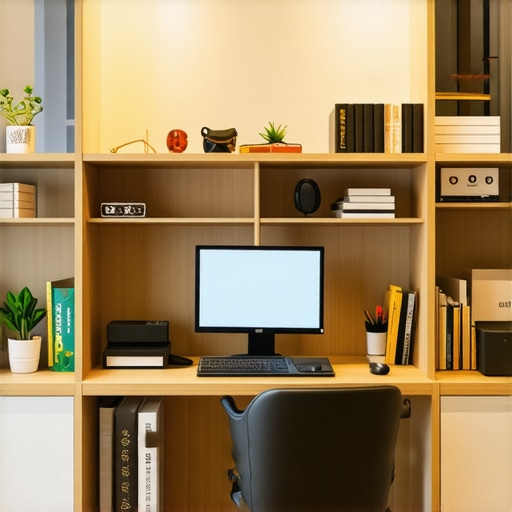
To visualize this, imagine a sleek, ergonomic workspace with thoughtfully placed storage units that align perfectly with your natural movement patterns, fostering both productivity and comfort.
What Are the Proven Benefits of a Holistic Storage Approach Backed by Cognitive Science?
Implementing a holistic storage strategy, grounded in cognitive science, can lead to measurable improvements in mental clarity and decision-making. Research indicates that cluttered environments increase cognitive load, impairing focus and creativity. By adopting minimalist philosophies, such as the one-in, one-out rule, and ensuring that each item has a dedicated place, I experienced a notable decrease in mental fatigue and stress. This approach aligns with findings from environmental psychology, which emphasize that organized spaces foster a sense of control and promote better cognitive function. For more insight, review ergonomic setup tips that complement effective storage.
Are you ready to take your storage to the next level? Share your experiences or ask questions—let’s continue refining our workspaces into havens of efficiency and well-being. Remember, your storage system is not just about organization; it’s about cultivating an environment that nurtures your professional growth and personal health.
Things I Wish I Knew Earlier (or You Might Find Surprising)
Mastering the Art of Personalization
One of the biggest lessons I learned is that generic storage solutions rarely fit our unique needs. Tailoring your storage to your work habits, like dedicating a specific drawer for frequently used items, made a world of difference in my workflow.
The Power of Minimalism
Reducing clutter isn’t just about aesthetics; it’s about mental clarity. I found that decluttering regularly and adopting a “keep only what you need” mindset keeps my workspace functional and peaceful.
Vertical Space Is a Game Changer
Utilizing wall-mounted shelves freed up precious desk space and allowed me to organize books and supplies efficiently. It’s a simple hack that created a more open, inviting environment.
Technology Can Be Your Ally
Smart labels and digital inventories help me track my storage contents effortlessly. Integrating tech into my storage system minimized search time and boosted my productivity.
Flexibility Is Key
Designing modular storage units that can grow with my needs prevented obsolescence. Regular reviews of my setup ensure I stay organized as my work evolves.
Resources I’ve Come to Trust Over Time
- Marie Kondo’s Organization Techniques: Her approach to decluttering and organizing has profoundly influenced my storage philosophy, emphasizing simplicity and joy.
- Architectural Digest: Their home office setup articles provide inspiring ideas for creative storage solutions and ergonomic design.
- Evernote’s Productivity Blog: Offers practical tips on organizing digital and physical spaces to enhance work efficiency.
- Smart Home Tech Reviews: Keeps me updated on innovative storage gadgets like RFID labels and smart drawers that make organization smarter.
Parting Thoughts from My Perspective
Reflecting on my journey, I realize that effective storage isn’t just about keeping things tidy—it’s about creating an environment that supports your personal work style and promotes mental clarity. By customizing your storage solutions, embracing minimalism, and leveraging technology, you can transform your home office into a space of productivity and peace. If this resonates with you, I’d love to hear your tips or experiences. Feel free to share or drop a comment below—let’s inspire each other to craft the perfect workspace that truly works for us.

Reading through this post really resonated with me, especially the part about personalized storage solutions. When I transitioned to remote work, I realized that a one-size-fits-all approach doesn’t really work. I started customizing my storage, like using labeled drawers for tech accessories and wall-mounted file organizers, which made a huge difference in my daily routine. I’ve also found that integrating small smart labels has helped me stay on top of organizing digital and physical items simultaneously. One challenge I faced was maintaining consistency as my workload shifted, but periodic space reviews helped me keep everything functioning smoothly. I wonder, how do others manage to stay adaptable with storage as their work evolves? Are there specific modular systems or habits that have made the most difference for you?
This post really hit home for me. I’ve been working on customizing my home office storage for a few months now and have found that vertical wall shelving makes such a positive difference — it keeps the desk surface clear and makes everything more accessible. I also started using clear, labeled bins which quickly reduces my daily search time. One thing I’m curious about is how others handle storing infrequently used items without cluttering the space. Do you prefer higher shelves or out-of-sight storage solutions? I’ve found that labeling and consistently reviewing my setup helps me stay adaptable as my workload fluctuates. It’s a continuous process, but definitely worth it for mental clarity and efficiency. Would love to hear more tips on balancing accessibility with minimal clutter, especially for smaller spaces like mine.