 Alex Carter
My Journey to an Ergonomic Home Office: Why It Matters
When I first transitioned to working from home, I underestimated how much my environment would impact my productivity and comfort. I used to hunch over a cluttered desk, feeling sluggish and sore by mid-afternoon. That changed when I decided to invest in an ergonomic setup, starting with a quality standing desk and smart storage solutions. Today, I want to share my personal experience and insights on creating a workspace that truly supports your well-being and efficiency.
Why I Switched to a Standing Desk and How It Improved My Day
Adopting a standing desk was a game-changer. Not only did it reduce my back pain, but it also boosted my energy levels. I started with adjustable models, which allowed me to alternate between sitting and standing. According to ergonomic experts, such flexibility can prevent fatigue and improve posture (source). Now, I genuinely feel more alert and focused during long work sessions, which is essential for maintaining productivity.
Creative Storage Ideas That Make a Difference
One of my biggest challenges was managing clutter. I discovered that smart storage solutions significantly improved my workspace. I use vertical shelves, drawer organizers, and cable management trays to keep everything tidy. These ideas not only maximize space but also create a calming environment that minimizes distractions. Trust me, a well-organized desk makes a huge difference in how motivated you feel to work.
How Do I Personalize My Ergonomic Setup for Maximum Comfort?
Personalization plays a crucial role. I found that adjusting my monitor height, using an ergonomic chair, and adding some greenery made my workspace more inviting and comfortable. The key is to tailor your setup to your unique needs—what works for me, like a footrest and ergonomic mouse, might differ for you. Curious about selecting the best equipment? I recommend exploring guides like this comprehensive setup guide.
What are some overlooked ergonomic tips that can boost my daily comfort?
Great question! One often overlooked tip is to take regular breaks and stretch. The Pomodoro Technique, which encourages 5-minute breaks every 25 minutes, can help prevent strain and fatigue. Additionally, ensuring your workspace has proper lighting and minimal glare can reduce eye strain, making your workday more pleasant.
If you’ve been thinking about optimizing your home office, I encourage you to experiment with different ergonomic tools and storage ideas. Feel free to share your own experiences or ask questions in the comments—I love hearing how others are creating their perfect workspace!
Mastering Ergonomics: Your Secret Weapon for a Healthier Workday
When it comes to designing a home office that promotes health and productivity, understanding the nuances of ergonomic principles is crucial. A well-optimized workspace can prevent common issues like back pain, eye strain, and repetitive stress injuries, which often go unnoticed until discomfort becomes persistent. Incorporating adjustable standing desks and ergonomic accessories is just the beginning. The real key lies in how you tailor these tools to fit your unique body mechanics and workflow.
Why Personalization Matters in Ergonomic Design
Every individual’s body is different, which means that a one-size-fits-all approach to ergonomic setup rarely yields optimal results. For example, adjusting your monitor height to align with your eye level can significantly reduce neck strain. Similarly, selecting an ergonomic office chair that supports your lumbar curve is vital. Personalization extends beyond equipment; it involves creating a workspace that encourages movement and minimizes static postures. Did you know that incorporating a sit-stand desk can help you alternate positions throughout the day, reducing the risk of musculoskeletal issues? For more insights on customizing your setup, explore this ergonomic setup guide.
Are there innovative tools or techniques that can further enhance ergonomic comfort?
Absolutely. Beyond traditional ergonomic furniture, recent advancements include smart posture trackers and adjustable monitor arms. These tools provide real-time feedback and enable micro-adjustments, ensuring your workspace adapts to your needs dynamically. Moreover, incorporating accessories like footrests, wrist supports, and anti-glare screen filters can make a noticeable difference. A comprehensive approach to ergonomic health involves regular movement, stretching, and mindful positioning—practices that can be integrated seamlessly into your daily routine for sustained comfort and productivity.
For those interested in deepening their ergonomic knowledge, I recommend reviewing authoritative sources such as the Occupational Safety and Health Administration (OSHA). Their guidelines provide evidence-based strategies for creating safe and healthy work environments, both at home and in the office.
How Can Smart Storage Solutions Complement Ergonomic Efforts?
Smart storage doesn’t just keep your workspace tidy; it supports ergonomic health by reducing clutter that can cause awkward reaching or twisting. Utilizing vertical shelving, cable management solutions, and drawer organizers can help you maintain an organized desk where everything is within easy reach. This minimizes unnecessary movements and strains, allowing you to focus on your work. For instance, keeping frequently used items at waist level or within arm’s reach optimizes posture and reduces fatigue. To explore effective storage ideas, visit these top storage hacks.
What Are the Practical Next Steps to Transform Your Home Office?
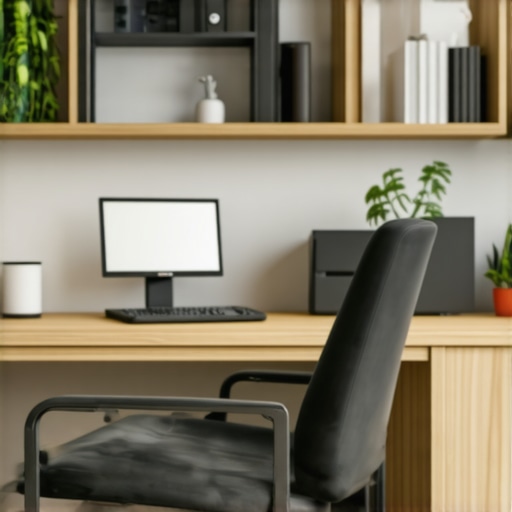
Start by assessing your current setup with a critical eye. Are your monitor and chair positioned to support natural postures? Is your workspace free of clutter that causes unnecessary reaching or twisting? Implementing small ergonomic improvements—like adjusting your chair height, adding a footrest, or reorganizing your supplies—can deliver immediate benefits. Remember, ergonomic comfort isn’t a one-time fix but an ongoing process of fine-tuning your environment. Sharing your experiences, challenges, or questions in the comments can inspire others and help you discover new solutions. For comprehensive advice on creating a productive home office, consider reading more about optimizing your workspace.
Personalizing Ergonomics: Finding Your Unique Balance in a Dynamic Workspace
One of the most challenging yet rewarding aspects of creating an ergonomic home office is recognizing that there’s no universal formula—what works seamlessly for me might need adjustments to fit your unique body mechanics and workflow. Over the years, I’ve learned that truly effective ergonomic setups are those that evolve with your needs, not just a one-time purchase of a fancy chair or a stand-up desk. It’s a process of ongoing fine-tuning, listening to your body, and being willing to experiment.
The Nuances of Adjusting Your Workspace for Subtle Comfort
When I first switched to a sit-stand desk, I thought that simply alternating between sitting and standing would be enough. But I soon realized that the nuances of height, angle, and positioning matter immensely. For example, I discovered that my monitor needed to be slightly tilted downward to prevent neck strain—something I didn’t consider initially. I also found that adjusting my chair’s lumbar support throughout the day helped me maintain proper posture without feeling restricted. These small adjustments, often overlooked, can significantly reduce fatigue and discomfort over the long haul.
How Can Advanced Tools Enhance Your Ergonomic Customization?
Beyond traditional furniture, integrating smart tools has taken my ergonomic game to the next level. Devices like posture trackers or smart monitor arms provide real-time feedback, helping me catch poor habits before they become ingrained. For instance, a posture sensor alerts me if I slouch or lean too far forward, prompting immediate correction. Similarly, a flexible monitor arm allows micro-adjustments that align screens precisely with my eye level, reducing strain and promoting natural movement (explore setup options here). These innovations are game-changers, especially when your work involves long hours at the desk.
Reflecting on the Psychological Aspects of Ergonomic Personalization
Personally, I’ve found that customizing my workspace isn’t just about physical comfort—it’s also about mental well-being. When I take the time to tailor my environment, I feel more in control and less stressed. This sense of ownership fosters a more mindful approach to work, encouraging me to listen to my body’s signals and respond proactively. It’s a holistic process that combines physical adjustments with mental clarity, ultimately leading to greater productivity and satisfaction.
Inviting Your Personal Experiences and Insights
Creating a truly ergonomic workspace is a deeply personal journey, and I’d love to hear about yours. What subtle adjustments have made a significant difference in your comfort? Have you explored innovative tools or techniques that transformed your setup? Sharing our experiences can inspire others to fine-tune their environments and discover new levels of productivity and well-being. Feel free to comment below or explore related tips on optimizing your workspace.
Integrating Ergonomic Science into Your Daily Routine for Sustainable Well-Being
While customizing your workspace is vital, integrating ergonomic principles into your daily routines creates a profound impact on long-term health. I’ve found that adopting mindful movement practices, such as micro-breaks and targeted stretches, complements a tailored setup. For instance, incorporating a few minutes of shoulder rolls and neck stretches every hour can alleviate tension accumulated from static postures (source). This holistic approach transforms ergonomic adjustments from static fixes into dynamic habits that nurture your physical and mental resilience.
How Do I Optimize My Workspace for Neuroergonomic Benefits?
Neuroergonomics — the study of brain-technology interactions — offers fascinating insights into designing environments that enhance cognitive function. Simple modifications, like optimal lighting, color schemes, and noise control, can significantly boost focus and mental clarity. I’ve experimented with circadian lighting systems that mimic natural daylight, which has improved my alertness and reduced eye strain (study). Additionally, strategic placement of visual cues and minimizing cognitive overload through organized workflows help maintain mental agility. Exploring neuroergonomic principles can elevate your workspace from merely physical comfort to a hub of mental efficiency.
Are there innovative ergonomic tools that leverage biofeedback for personalized comfort?
Yes, emerging biofeedback devices like wearable posture sensors and adaptive ergonomic chairs are revolutionizing personalized comfort. These tools monitor your posture and physiological signals, providing real-time feedback that encourages corrective actions. For example, smart posture trackers can alert you when you slouch, prompting immediate adjustments that prevent strain accumulation. Incorporating such biofeedback mechanisms ensures your ergonomic setup evolves with your needs, fostering healthier habits over time (see more). Embracing these innovations turns ergonomic maintenance into an engaging, science-backed process rather than a passive task.
Deepening Storage Solutions with Modular and Adaptive Systems
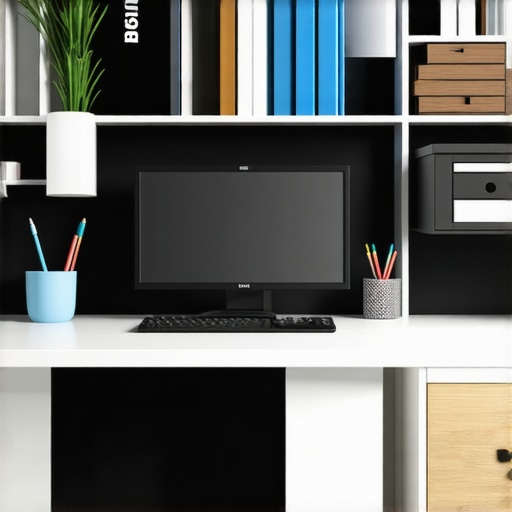
Beyond conventional storage hacks, modular and adaptive systems enable a flexible workspace that grows with your needs. I’ve transitioned to customizable shelving units and stackable drawers that can be reconfigured, keeping essential tools within arm’s reach while maintaining a clean aesthetic. These systems support ergonomic principles by reducing unnecessary movements and preventing clutter-induced stress. For example, having a dedicated, easily accessible zone for frequently used items minimizes reaching and twisting, which are common sources of discomfort. To explore innovative storage configurations, review top storage ideas that blend form and function seamlessly.
Crafting a Future-Ready Ergonomic Workspace: Next-Level Considerations
Looking ahead, I’m experimenting with integrating AI-driven ergonomic assistants that analyze my work patterns and suggest adjustments. These intelligent systems can recommend optimal sitting/standing intervals, monitor posture, and even adjust environmental factors like lighting and temperature for peak comfort. Moreover, considering the evolving landscape of remote work, future-proofing involves designing adaptable spaces that accommodate changing technologies and personal needs. For comprehensive insights into creating a resilient ergonomic environment, I recommend exploring this setup guide. The goal is to build a workspace that not only supports current productivity but also adapts seamlessly to future demands.
Sharing the Journey: Your Experiences and Innovations
Creating an ergonomic sanctuary is an ongoing journey, enriched by shared insights and experimentation. I invite you to reflect on the subtle yet impactful changes you’ve made—be it adopting biofeedback tech, restructuring storage, or refining your posture habits. These personal nuances often hold the key to sustainable comfort and enhanced focus. Join the conversation by sharing your experiences or asking questions—together, we can pioneer innovative solutions that redefine home office ergonomics. Dive deeper into expert strategies by exploring these advanced tips.
Things I Wish I Knew Earlier (or You Might Find Surprising)
1. Small Adjustments Make a Big Difference
Initially, I thought buying a fancy ergonomic chair and a standing desk was enough. Turns out, tiny tweaks like adjusting monitor height or lumbar support can significantly impact comfort and posture. It’s a reminder that perfection often lies in the details.
2. Comfort Is Personal and Evolving
What felt perfect when I set up my workspace a year ago no longer sufficed. Ergonomics is a dynamic process—regular reassessment and personalization are key. Listen to your body, and don’t be afraid to make changes.
3. Clutter Causes More Than Just Distraction
Keeping my desk tidy with smart storage solutions not only boosted my productivity but also prevented strain from reaching or twisting. Clutter can subtly sabotage ergonomic efforts.
4. Lighting Affects Both Mood and Focus
Proper lighting, especially natural light, dramatically reduces eye strain and improves mental clarity. I started using circadian lighting, which made my workdays more pleasant and less tiring.
5. Ergonomics Extends Beyond the Desk
Regular movement and stretching are essential. The Pomodoro Technique helped me incorporate micro-breaks that keep my muscles relaxed and my mind sharp.
6. The Power of Tech Tools
Smart posture trackers and adjustable monitor arms have taken my ergonomic setup to the next level. They provide real-time feedback, making it easier to maintain good habits effortlessly.
Resources I’ve Come to Trust Over Time
- Occupational Safety and Health Administration (OSHA): Their guidelines are comprehensive and evidence-based, offering practical strategies for ergonomic safety at home. I frequently consult their resources for up-to-date tips.
- Ergonomics.org: This site provides in-depth articles on ergonomic principles and latest innovations, helping me stay informed and inspired to improve my workspace.
- NCBI (National Center for Biotechnology Information): Their research papers on workplace ergonomics have helped me understand the science behind good posture and movement, making my adjustments more intentional.
Parting Thoughts from My Perspective
Designing an ergonomic home office is a continuous journey of discovery and adaptation. The most valuable lesson I’ve learned is that personalization and mindfulness are crucial. Small, deliberate changes—whether adjusting your chair, organizing your storage, or integrating tech tools—can profoundly enhance your comfort and productivity. If this resonates with you, I’d love to hear your own experiences or tips. Feel free to share in the comments or pass this along to someone looking to improve their workspace. Remember, a well-tuned ergonomic setup isn’t just about physical health; it’s about creating a space where you feel empowered and focused every day.

Reading about the transition to an ergonomic home office really resonated with me. When I first started working remotely, I also neglected the importance of a proper setup and ended up with persistent neck and back pain. Investing in a height-adjustable standing desk and organizing my supplies with smart storage really made a difference. One challenge I faced was maintaining motivation to stand and stretch regularly, but I started using a timer app to remind me. It’s fascinating how small adjustments, like tilt angle of the monitor or adding a footrest, can significantly improve comfort. I’m curious, how do others stay disciplined with movement and stretching during long workdays? Do you find any particular tools or routines effective for making ergonomic habits stick? Looking forward to hearing everyone’s tips on maintaining a healthy, productive workspace.
This post really hits home for me, especially the part about ongoing fine-tuning of your ergonomics. I’ve learned that the key to maintaining comfort is not just initial setup but regularly reassessing your workspace as your needs evolve. I started with a good adjustable chair and a sit-stand desk, but over time, I noticed that my monitor wasn’t quite at eye level anymore, which caused neck tension. Small adjustments like these can make a big difference. I also began incorporating micro-movements and stretching breaks into my routine, sometimes prompted by posture reminders on my wearable device. Have others experimented with tech solutions like posture sensors or app-based reminders? I’d love to hear what tools have helped you stay consistent in your ergonomic habits, especially for long workdays or when working remotely in a non-traditional setup.